Biological function emerges from molecular interaction
Dr. Kannapiran Ponraj
Protein biochemist · Molecular pharmacologist · Bioinformatician
I approach biological systems through the behavior of interacting
molecules rather than isolated components. Whether studying DNA
repair enzymes, redox proteins, membrane-associated P450s, or
computationally predicted peptides, my work seeks mechanistic
explanations that connect molecular organization with measurable
physiological function.
My research combines biochemistry, enzymology, molecular
pharmacology, and quantitative analysis to understand how proteins
interact within complex biological systems.
Mechanistic biochemistry across molecular systems
A research trajectory connecting drug metabolism, DNA repair, virology, redox biology, assay development, and computational interpretation through a common interest in protein function and molecular interaction.
I study how proteins collaborate, reorganize, and acquire new functional properties under physiological and chemical stress. Current work centers on the human cytochrome P450 ensemble and how alcohol exposure, protein abundance, and P450–P450 interactions alter drug metabolism. My broader program integrates protein purification, enzyme kinetics, spectroscopy, microsomal assays, molecular pharmacology, structural analysis, and computational biology.
Five connected areas of investigation
The themes below represent an evolving research program rather than isolated projects. Each addresses how molecular interactions shape biological function.
Cytochrome P450 systems
Understanding non-additive behavior within human drug-metabolizing enzyme ensembles and the functional consequences of P450–P450 and P450–redox partner interactions.
Current focus →Drug metabolism and alcohol exposure
Investigating how chronic alcohol intake remodels hepatic enzymes, transporters, and the metabolism of clinically relevant drugs in human liver systems.
Related work →Functional assay development
Designing and validating fluorogenic probes for selective and scalable measurements of cytochrome P450 activity in complex biological preparations.
Probe studies →Protein adaptation and redox biology
Examining enzyme moonlighting, membrane integration, catalytic adaptation, and protein structure–function relationships under oxidative or environmental stress.
Redox research →Computational and structural biology
Applying protein structure analysis, machine learning, quantitative modeling, and data visualization to interpret molecular mechanisms and biological networks.
GitHub →Drug metabolism as an interacting molecular system
Current studies examine the human liver drug-metabolizing ensemble using biochemical, microsomal, spectroscopic, and quantitative approaches.
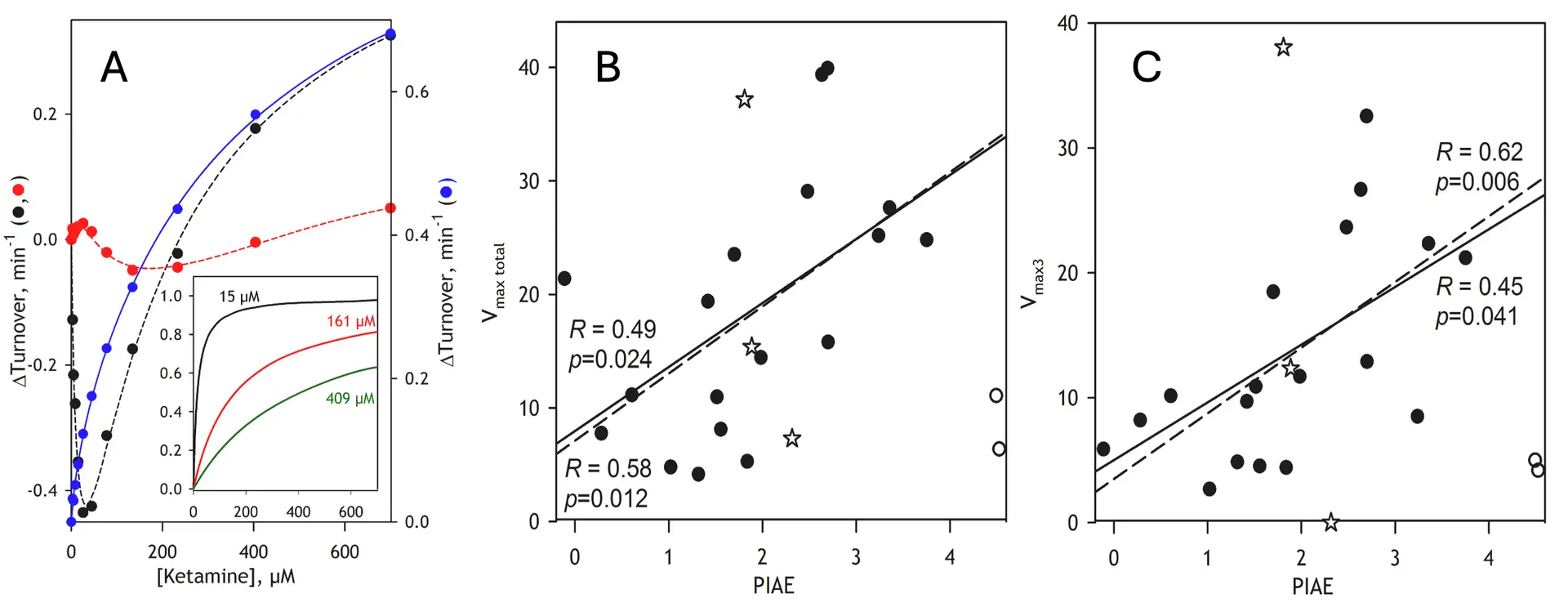
My ongoing postdoctoral work focuses on how cytochrome P450 enzymes function as interacting components of a membrane-associated ensemble. This research investigates how chronic alcohol exposure changes enzyme abundance, protein interactions, catalytic properties, and the metabolism of drugs including ketamine and amitriptyline.
One continuous question across different biological systems
The systems have changed, but the underlying interest has remained consistent: how proteins respond to stress, interact with partners, and regulate complex biological outcomes.
Plant biotechnology
Genetic transformation and regeneration of Solanum melongena.
Protein structure analysis
NAD-binding site analysis across structurally characterized proteins.
DNA repair and virology
Topoisomerase II isoforms, DNA double-strand break repair, and HIV-associated kinase biology.
Protein biochemistry
Structural, biochemical, membrane-protein, and redox-enzyme research.
Teaching and computational biology
Faculty research, student mentoring, machine learning, and curriculum development.
P450 systems pharmacology
Human drug metabolism, alcohol exposure, fluorogenic probes, and interacting enzyme ensembles.
Explore the complete research profile
Review publications, teaching experience, technical expertise, and the full curriculum vitae.